
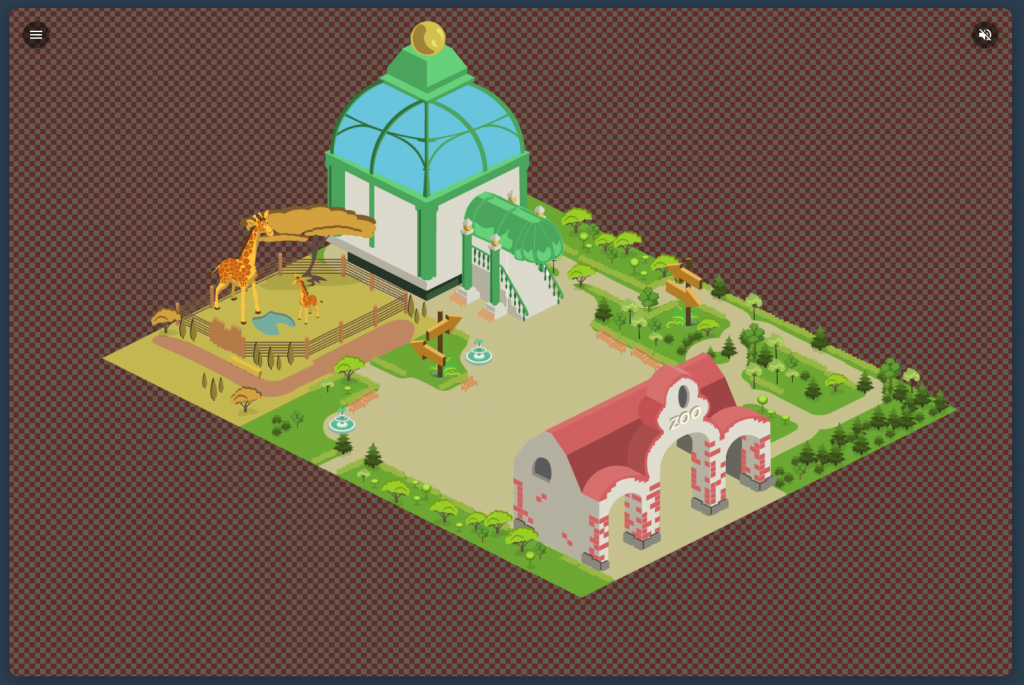
Playful apps
A concept for a gamified digital zoo map: information about the zoo and its animals, together with quests, encourages visitors to discover and explore.
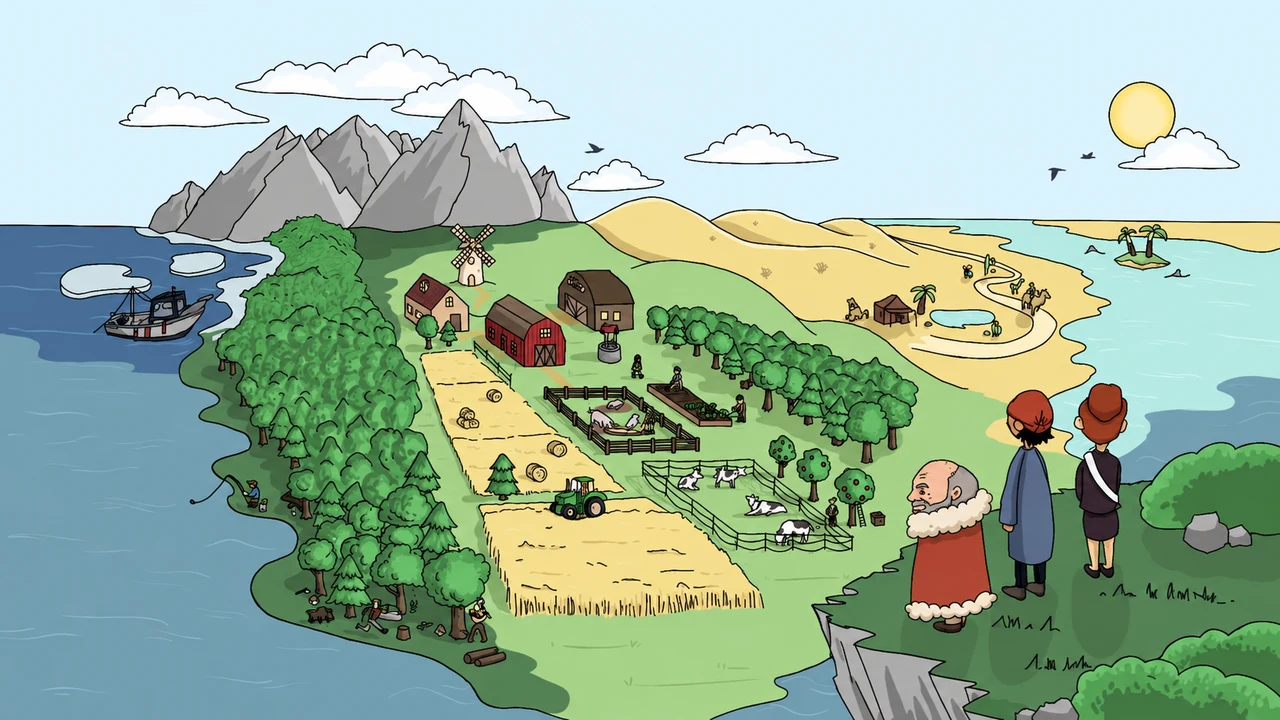
The tragedy of the commons

A real-time multiplayer game about sharing resources.
Spawnpoint – Institut für Spiel- und Medienkultur e.V.
Spawnpoint is a non-profit organisation based in Erfurt. It brings together expertise in digital media and games and shares it through pilot projects, training, publications and consulting. It supports media and gaming culture, particularly among educators and cultural professionals. Its work includes the Spawnpoint Lab, an accessible meeting space, cooperation with universities such as Ernst-Abbe-Hochschule Jena, and educational and cultural programmes for a digital society.
The project took three months, from the initial concept through prototyping and iteration to a playable version. This compact schedule required focused, iterative work and close coordination between game design, education and technical development.
We adapted an existing analogue game concept into a digital serious game. We refined the mechanics for the digital environment, designed and implemented the real-time multiplayer infrastructure, and created the visual assets. Extensive playtests informed iterative improvements to game balance, clarity and user experience.
Meins – Deins – Alle is an educational serious game about ecosystem regeneration and sustainable resource management. Players collect resources from shared fields and experience the tension between individual gain and collective responsibility.
The project aimed to make the “tragedy of the commons” tangible. Decisions, immediate feedback and social dynamics reveal how individual actions can have long-term effects on a shared system.
Try the gameThe economic concept of the tragedy of the commons needed to become an experience. The game had to create a genuine dilemma in which individually rational decisions could produce collectively harmful outcomes, without prescribing cooperation or steering players towards a moral answer. Learning goals included the relationship between individual actions and the state of a system, the importance of cooperation, and comparison between two rounds. These goals needed accessible, engaging gameplay for different audiences and educational settings.
The game required a robust, server-authoritative real-time multiplayer architecture. The server needed to handle game logic consistently and validate actions, while optimistic client updates provided immediate feedback. Further challenges included synchronising multiple players, maintaining state in memory without a database, clear front-end state management, and unit, end-to-end and multiplayer tests.
The game needed to fit flexibly into lessons in subjects such as geography, economics, biology, ethics and politics, across different ages and schedules. It was designed as a learning prompt with structured preparation and follow-up. Teachers needed clear processes, short explanations, useful reflection prompts and meaningful metrics such as ecosystem health and the Gini coefficient. The experience had to support discussion and a change of perspective within 45–90 minutes, without overwhelming learners or trivialising the topic.
The game does not force cooperation or judge players morally. They make their own decisions and see the consequences. Shared resource fields, visible ecosystem regeneration, inequality measures and a two-round structure make the connections tangible: experience, compare, reflect. Competition and cooperation can emerge naturally, providing a starting point for discussion of sustainability.
The server validates and synchronises game state. Optimistic client updates provide immediate feedback during network communication. A structured technology stack, clear state management, in-memory storage and extensive tests support performance and maintainability. Optional AI players and connection handling support sessions with multiple classroom devices.
A clear session structure, flexible game settings, understandable visualisations and integrated analysis tools help turn the experience into discussion. Ecosystem health, the Gini coefficient and the two-round approach enable comparison and reconsideration. Curriculum connections and clear guidance for facilitation link the experience with lesson objectives.
A clear vision, teamwork and focused priorities made development possible within a short timeframe. The project helped us assess realistic development cycles and reinforced the value of mechanical neutrality, transparent consequences and technical stability. The next priority is practical use in schools and other educational settings, making the game available to more learners.
Tell us about your idea. We develop a learning experience around your goals and requirements.
Tell us about your project
Game design opens up possibilities for apps, art, research and digital spaces. These examples show the range of our work and concepts.
A concept for a gamified digital zoo map: information about the zoo and its animals, together with quests, encourages visitors to discover and explore.
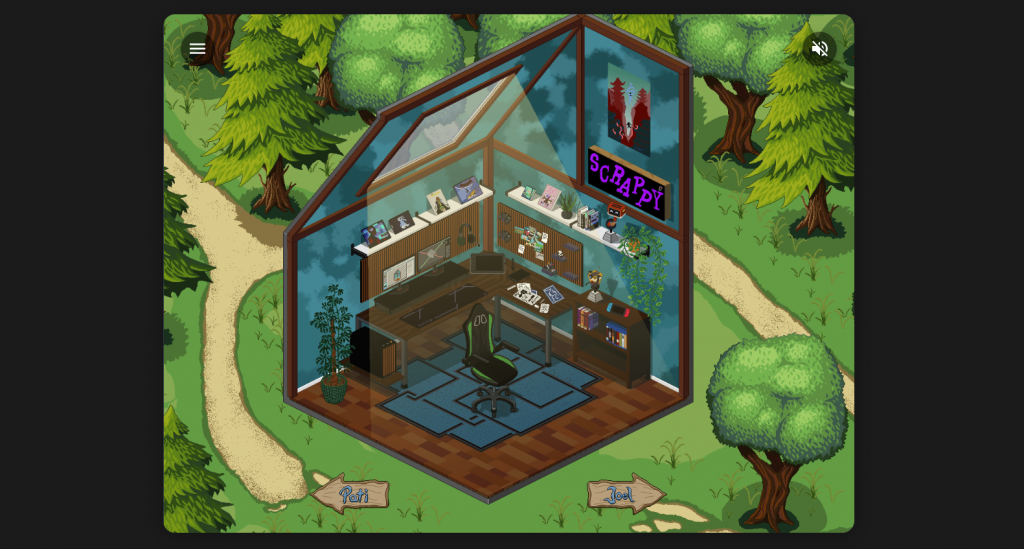
For a small application on our website, our artists imaginatively recreated PlayInsight’s home office workspaces.
Learn more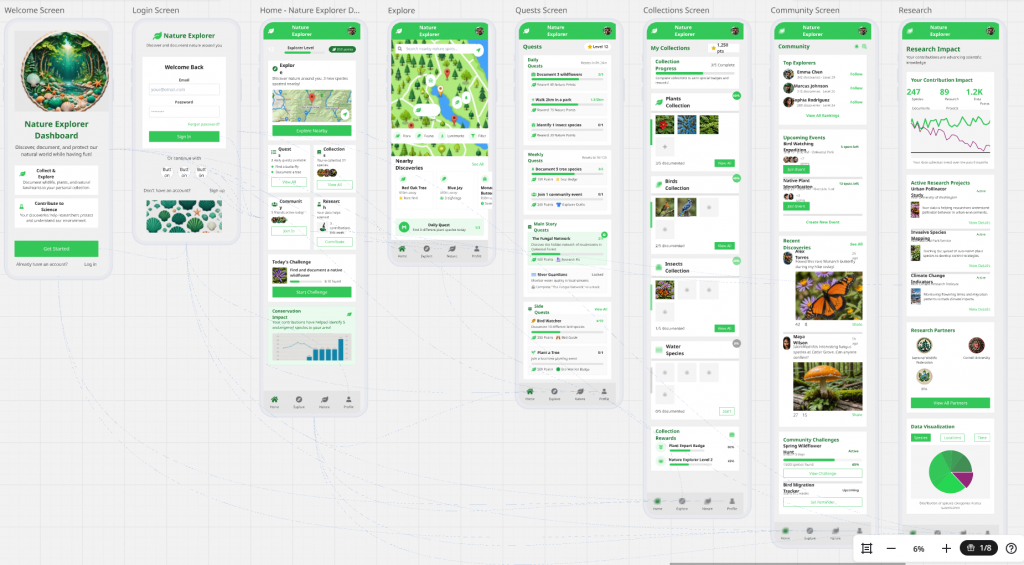
A concept combining location-based play with interactive learning: users are encouraged to collect biodiversity data in their surroundings. Sharing it with the relevant environmental authority is part of the idea.
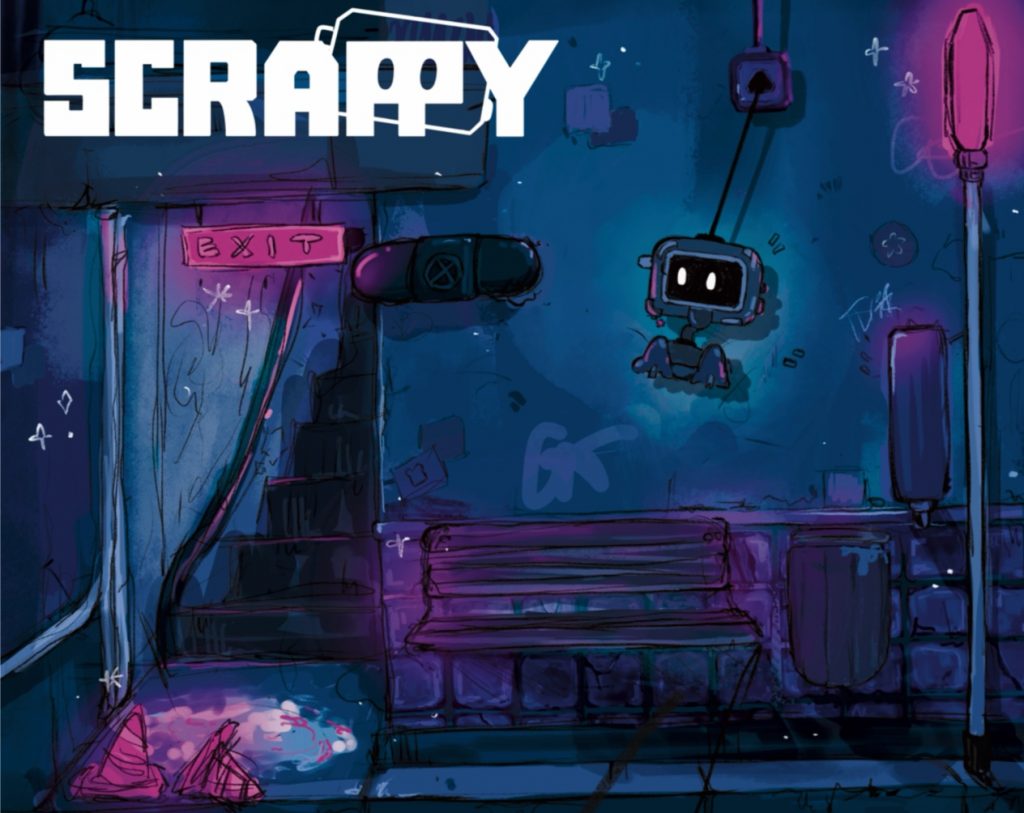
An atmospheric 2.5D platformer: a small toaster robot finds its way from the scrapyard into the light. Precise controls, low-poly visuals and expressive sound shape the experience. The previously announced Steam Early Access window is 2026/2027.
Learn more
A complete WordPress redesign with an embedded interactive tour of a practice, recreated in detail in pixel art.